
Market Analysis · Portugal · 2026
Is there a housing bubble in Portugal?
And is now a good time to buy?
Portugal’s property market continues to spark debate. Prices have risen sharply over the last decade, affordability is strained, and buyers purchasing remotely are asking the same question: is there a housing bubble, and is now a good time to buy?
The short answer: there are signs of overvaluation in parts of the market, but Portugal does not behave like a classic, data-transparent housing market — which makes simple answers unreliable. To understand what is really happening, we need to look beyond headlines and into how pricing actually works on the ground.
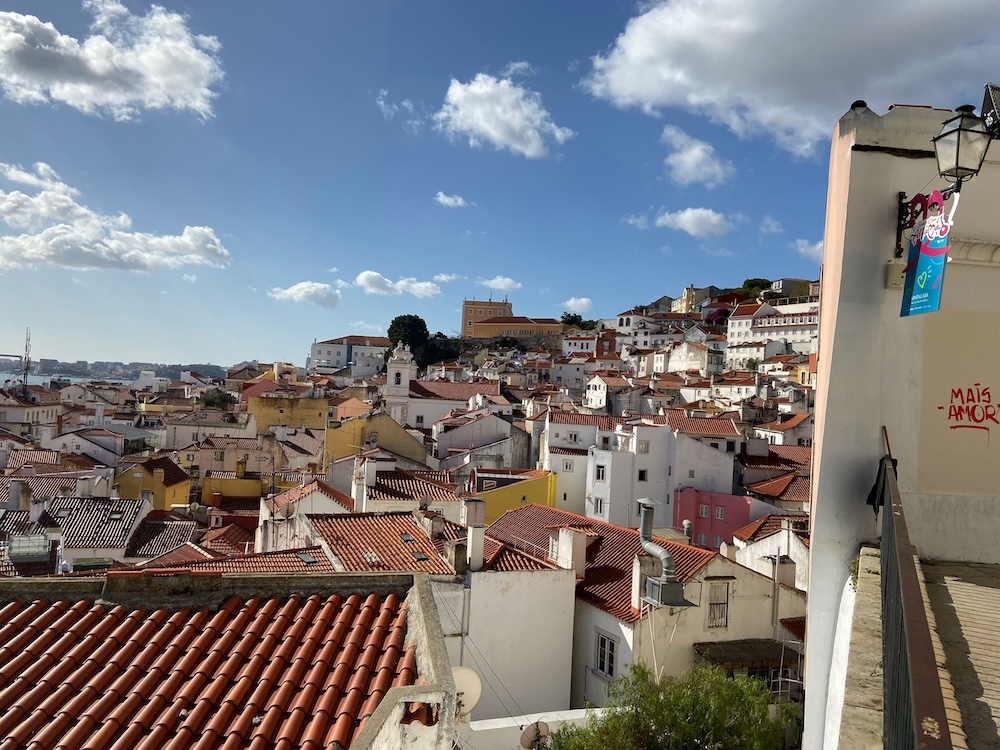
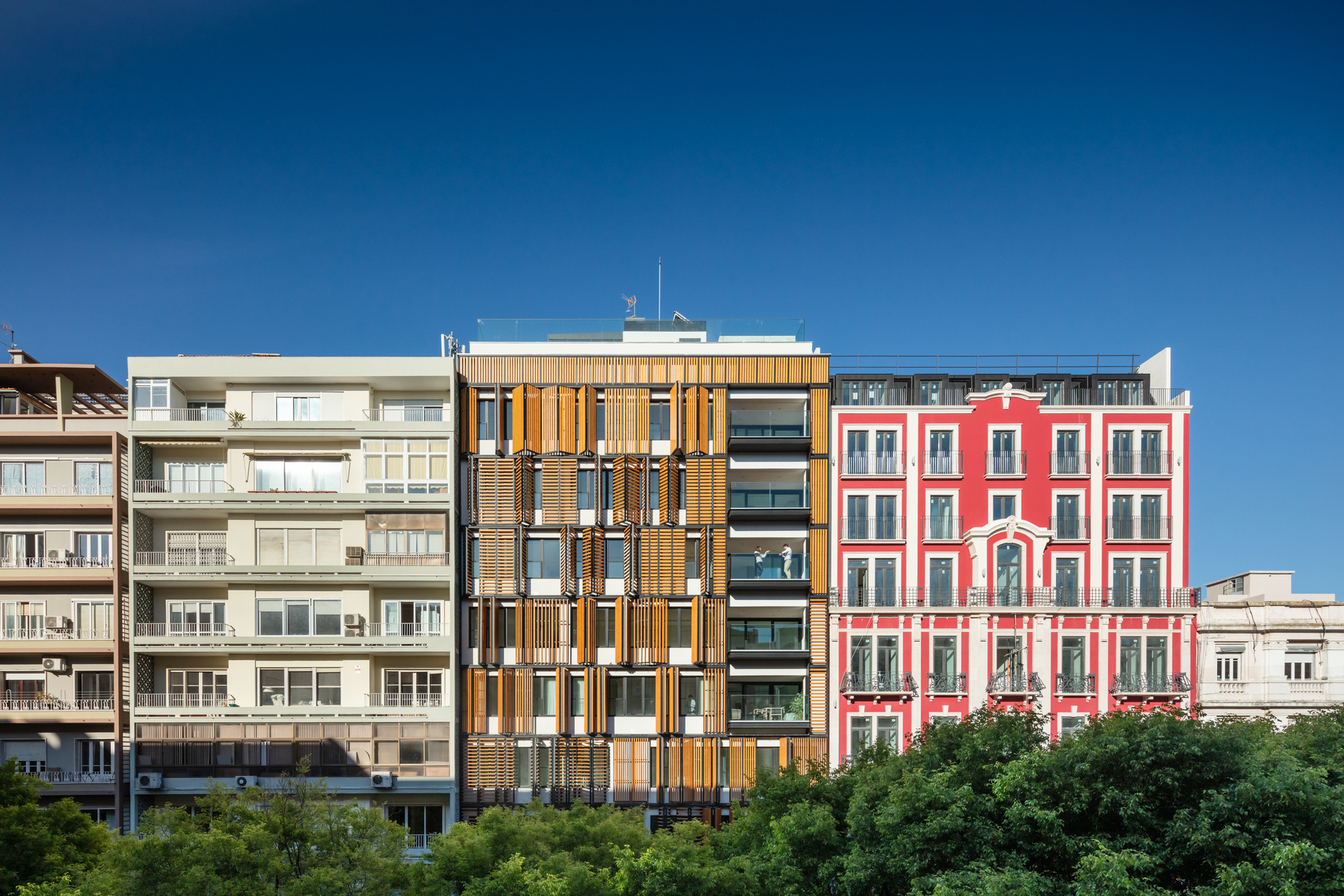
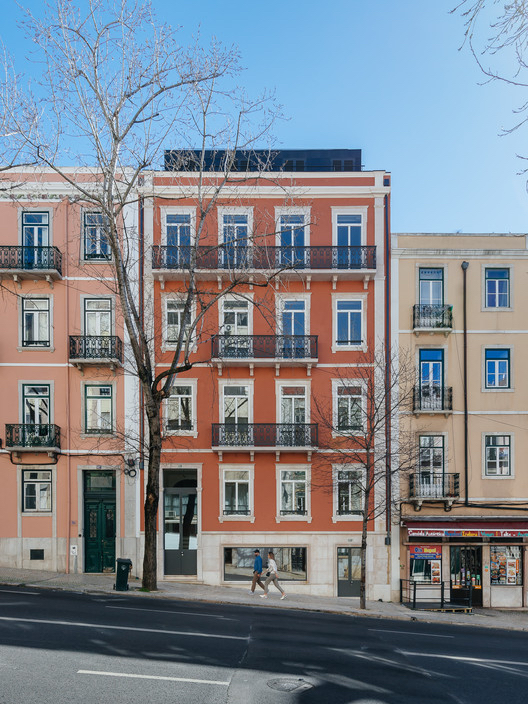
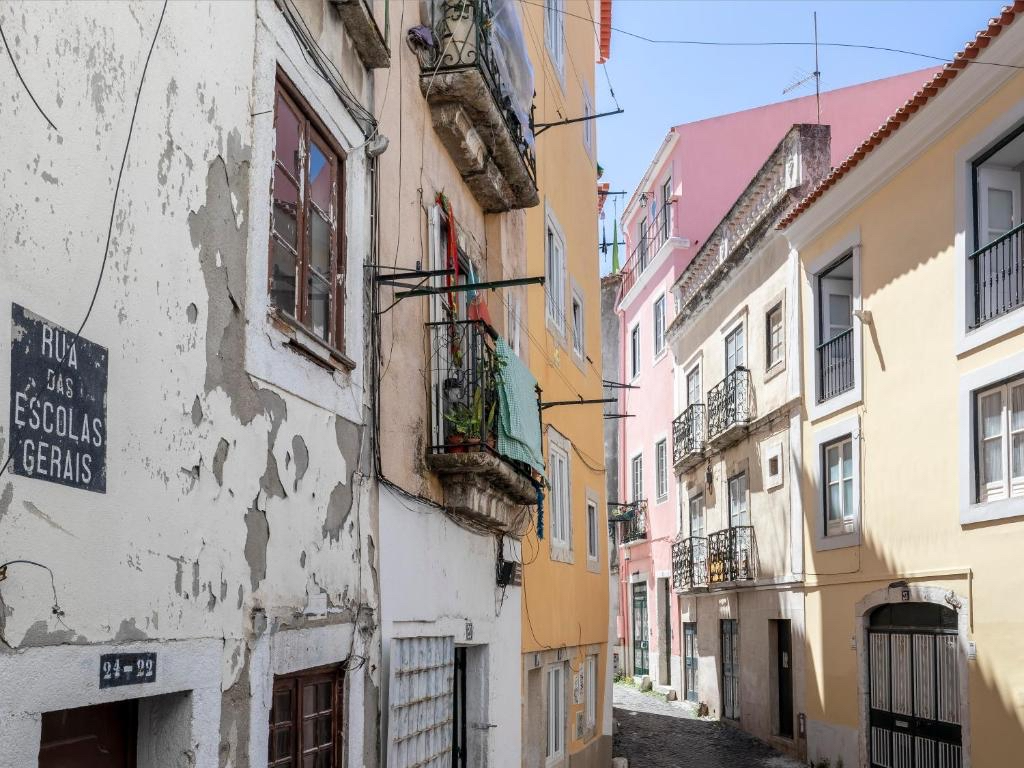
Portugal’s housing market varies significantly across cities, neighbourhoods, and property types — despite what headline averages suggest.
Context Why “housing bubble” is hard to define in Portugal
A housing bubble typically implies rapid price increases, speculative buying, prices detached from income and rental fundamentals, and a sharp correction when sentiment changes. Portugal shows some of these traits — but not all, and not uniformly.
The core problem is that Portugal lacks the data infrastructure buyers expect in countries like the US, UK, or Canada. Without standardised, accessible transaction data, broad claims about bubbles can be as misleading as they are alarming.
Data Why averages distort reality
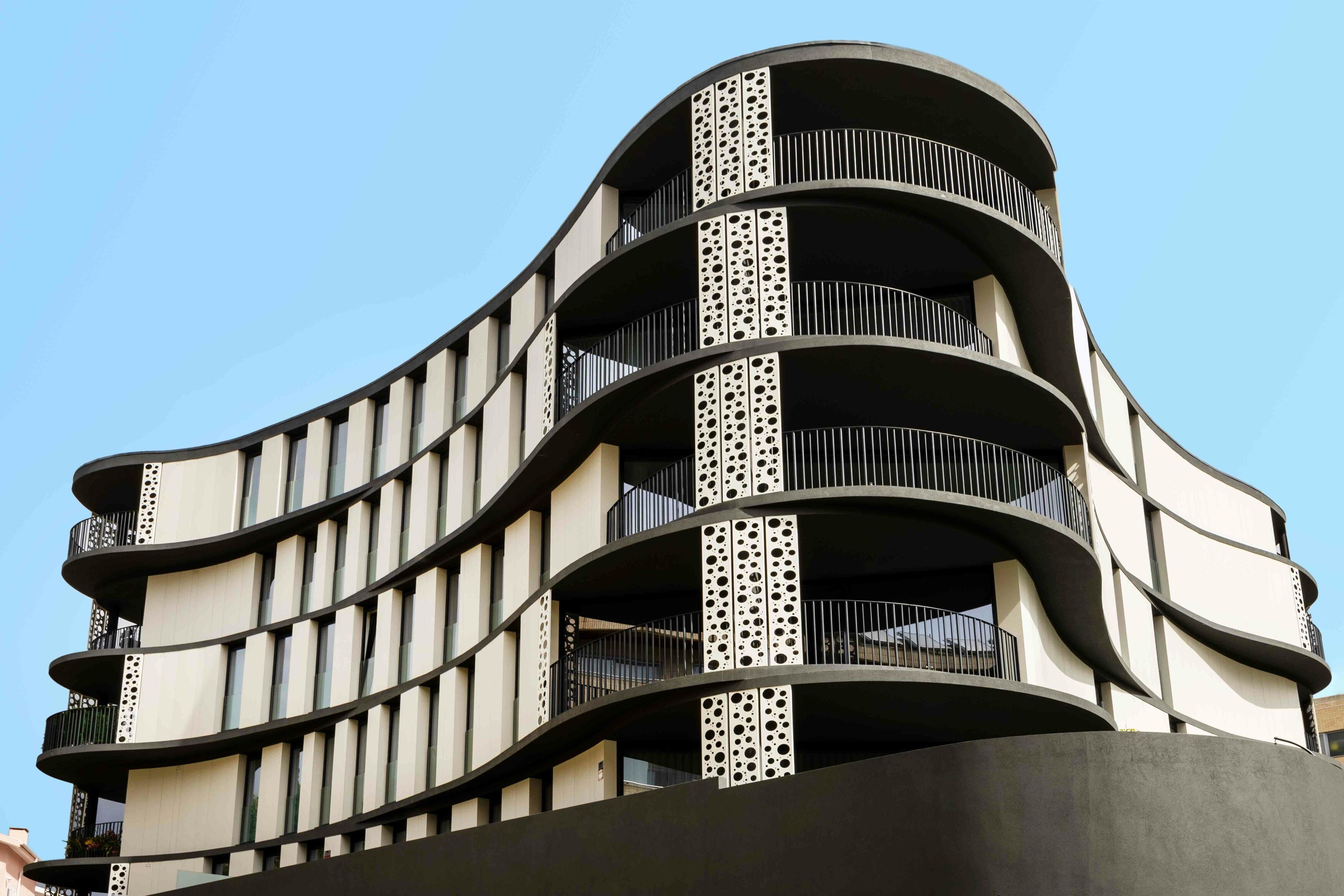

Properties grouped under the same “average price” can differ dramatically in condition, location, and value.
Much of the bubble conversation is driven by headline averages that collapse very different assets into a single number. Here is what that actually looks like in practice.
Lisbon apartments
You might see headlines stating: “Average price in Lisbon: €5,000/m².” In practice, that number hides massive variation:
| Price range (per m²) | What you are actually getting |
|---|---|
| €3,500–4,000 | Older apartments, limited light, no elevator, peripheral neighbourhoods |
| €5,000–6,500 | Renovated units, central but not prime locations |
| €7,000–10,000+ | New builds, river views, premium developments in prime zones |
These are not interchangeable assets, yet they are routinely collapsed into one “market trend.”
Central Portugal and rural property
Properties in the €120k–€180k range often require €50k–€150k in renovations. Some are not legally habitable. Others lack licensing clarity, utilities, or meaningful resale liquidity. A €160k purchase can easily become €300k in total exposure.
Lower entry prices in rural Portugal often come with renovation costs, legal complexity, and resale limitations.
Algarve villas
Inland areas show stagnant inventory and price sensitivity. Coastal prime areas have limited supply and resilient pricing. New developments are priced by construction costs, not local incomes. Without segmented data, “bubble” becomes a blunt instrument.
Analysis The core problem: no MLS, no transparency


Without a centralised MLS, buyers rely on fragmented listing data, making true market pricing difficult to interpret.
In markets with transparent data, bubbles are identified through volume drops, price corrections, and inventory spikes. Portugal’s lack of infrastructure distorts all three signals.
- Inventory looks tight — but listings are often stale and recycled
- Price growth looks strong — but unsold properties don’t reset averages
- Sellers test high prices without urgency or consequence
- No standardised price-per-m² tracking across firms
- The actual sale price vs asking price gap
- Days on market before a price reduction
- Neighbourhood-level price trend data
- How many listings are duplicated across portals
This creates the illusion of stability — or growth — even when underlying demand is uneven. “Bubble” and “correction” language, borrowed from data-rich markets, rarely maps cleanly onto Portugal’s reality.
Verdict So, is Portugal in a housing bubble?
Not in a classic speculative sense across the entire market. However, certain segments are clearly overvalued relative to income; some buyers are paying premiums based on lifestyle narratives rather than fundamentals; and price growth has outpaced wage growth for years.
The real risk is not a crash — it is buying blind
For most international buyers, the biggest danger is not a national housing correction. It is overpaying for an illiquid asset, buying something difficult to resell, underestimating renovation or legal exposure, or mistaking asking prices for true market value.
Prioritise local knowledge, independent legal advice, and thorough due diligence over trying to time the market.
Timing Is now a good time to buy in Portugal?
The more useful question is: is this a good time for you to buy — given your purpose, timeline, and risk tolerance?
- You plan to live in the property long-term
- You understand local pricing in your target area
- You have validated the asset beyond the listing
- You have independent legal counsel engaged
- Your reserves cover acquisition costs plus contingency
- You rely on short-term appreciation to justify the purchase
- You assume asking prices reflect actual market value
- You lack local insight into zoning, licensing, or resale demand
- You have not spent time in the area across different seasons
- Your renovation budget is based on initial estimates only
The real question isn’t whether there’s a bubble — it’s whether a specific purchase makes sense for your situation.
Portugal’s housing market is difficult to summarise with simple bubble narratives. Prices are high in certain segments, some areas are clearly stretched, and data transparency remains limited. The smartest buyers focus less on predicting crashes and more on understanding exactly what they are buying — and why. A good purchase in a flat or falling market still outperforms a poor purchase in a rising one.
Not sure how to read the market in your target area?
Tell us what you are looking at and we will connect you with someone who knows the local dynamics — not just the national headlines.
Frequently asked questions
Is there a housing bubble in Portugal?
Portugal does not have a classic speculative bubble across the entire market. However, certain segments — particularly prime Lisbon and coastal Algarve — are overvalued relative to local incomes. Portugal lacks the data transparency of markets like the US or UK, making sweeping bubble claims unreliable. What exists is a fragmented market with uneven risk.
Why are average property prices in Portugal misleading?
Portuguese property data collapses very different assets into single averages. In Lisbon, prices range from €3,500/m² for older peripheral apartments to €10,000+/m² for new river-view developments. Without segmented, transaction-level data, averages distort reality significantly.
Does Portugal have an MLS?
No. Portugal has no centralised MLS. Listing prices are not the same as sale prices, transaction data is not publicly accessible in real time, and agents do not share standardised data across firms. This makes accurate market analysis considerably harder than in countries like the US, UK, or Canada.
Is now a good time to buy property in Portugal?
It depends on your purpose, timeline, and risk tolerance. Buying makes sense if you plan to live in the property long-term, understand local pricing dynamics, and have validated the asset beyond the listing. It is riskier if you rely on short-term appreciation, assume asking prices reflect market value, or lack local insight into zoning, licensing, or resale demand.
What is the real risk of buying property in Portugal?
For most international buyers, the biggest risk is not a national housing crash — it is overpaying for an illiquid asset, buying something difficult to resell, underestimating renovation or legal exposure, or mistaking asking prices for true market value.
Thinking about buying vs renting first?
Our buy vs rent guide covers the transaction costs, time horizons, and situation-specific factors in detail.